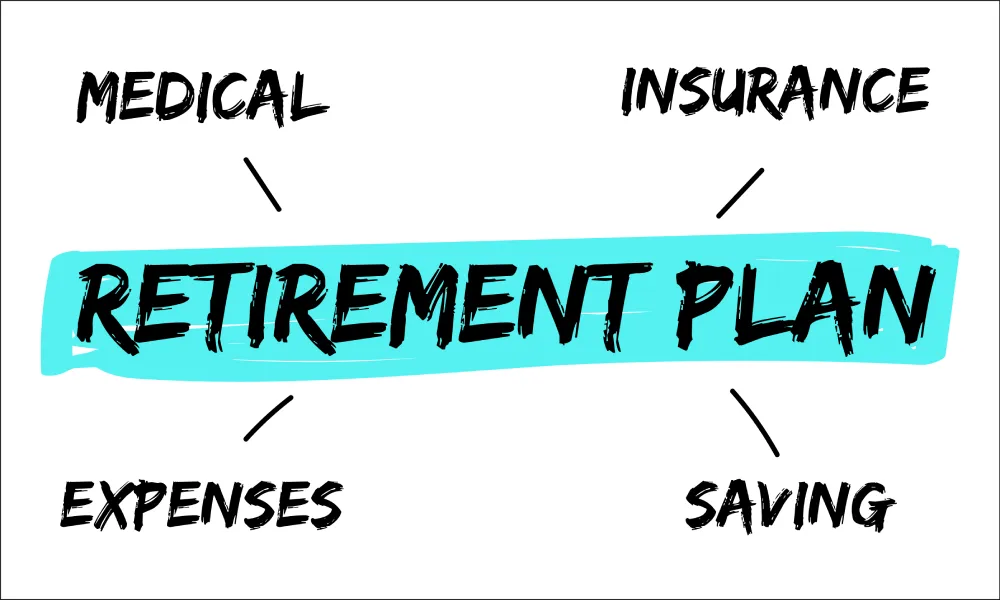
Retiring early can provide more freedom over your time, but leaving work at 40 or 45 requires careful financial planning. Savings must cover daily expenses, healthcare, emergencies, and potentially decades without a regular salary.
Your FIRE retirement number is the amount you need invested to support your lifestyle without depending on full-time employment. The right target depends on your annual expenses, investment returns, retirement age, and other income sources.
What Is the FIRE Movement?
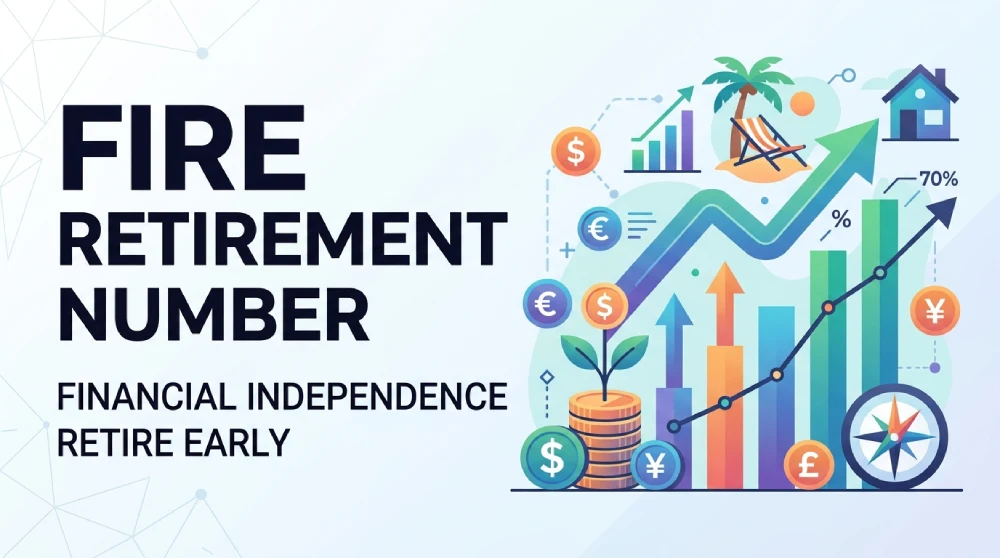
The fire movement stands for Financial Independence, Retire Early. It encourages people to save aggressively, control spending, and invest consistently until their wealth can support their living expenses.
For those asking what is the fire movement, the goal is not always to stop working completely. Some people leave traditional jobs but continue freelancing, consulting, or pursuing work they enjoy.
How Much Is Your FIRE Retirement Number?
A common starting point is the 25-times rule, which estimates fire retirement savings at 25 times annual expenses.
| Annual expenses | Estimated FIRE number |
| $30,000 | $750,000 |
| $40,000 | $1,000,000 |
| $50,000 | $1,250,000 |
| $60,000 | $1,500,000 |
This approach assumes an initial withdrawal rate of 4%. However, it is only a guideline. People retiring early may need a larger portfolio because their savings must last longer. Testing a lower withdrawal rate, such as 3% to 3.5%, can provide a more cautious starting point.
Can You Retire at 40 or 45?
If you are wondering how can i retire at 45, start by calculating your annual expenses, current investments, and monthly savings capacity.
Those hoping to retire by 40 have less time to build wealth and may need a higher savings rate, substantial existing investments, or lower living costs.
So, can you retire at 45 on a moderate income? It may be possible with consistent saving, manageable expenses, and a realistic investment plan. However, healthcare costs, dependents, and unexpected expenses can change the outcome.
How Much Fire Retirement Should You Have at 40?
There’s no single savings goal that is right for everyone. If an individual earning $36,000 per year (25-times) uses a $900,000 preliminary target, it should not fall below that amount. A person earning $36,000 per year (25-times) should not go below $900,000 in their preliminary target under 25-times rule. If a person spends $60,000, he or she requires about $1.5 million.
When considering how much retirement should i have at 40, account for housing, debt, family responsibilities, and future pension benefits. Current investments need to be benchmarked against target and time until retirement.
Building a FIRE Investing Strategy
A practical fire investing strategy focuses on steady progress rather than chasing high returns.
- Track expenses: Identify essential costs and opportunities to save.
- Increase savings: Invest part of every raise or bonus.
- Diversify investments: Consider broad-market funds and bonds based on your risk tolerance.
- Manage debt: Pay attention to high-interest balances.
- Review progress: Adjust your plan when expenses or income change.
Effective fire finance planning also includes emergency savings and a budget for irregular expenses. Markets fluctuate, so avoid assuming investment returns will always be positive.
What About 401(k) Withdrawals and Pensions?
Retirement accounts can help facilitate early retirement, but there is a set of rules to follow. In the United States, taking money out of 401k accounts before age 59½ may trigger income tax and an additional 10% tax unless an exception applies.
Some exceptions, such as substantially equal periodic payments have their own set of requirements. It is important to get professional tax advice to prevent costly errors.
An early retirement pension can decrease the amount required from investments. Be aware of when payment starts, if benefits are lowered if you claim early, and if benefits are adjusted for inflation. Also, healthcare should be considered, as Medicare typically starts at age 65.
Common FIRE Planning Mistakes
A common error is failing to account for inflation, not accurately predicting health care expenses, and assuming that investments will deliver steady returns. When people begin to take money out of their retirement accounts, their performance in the market can have long-lasting consequences if it’s poor.
Any realistic plan should consider taxes, home repairs, emergencies and variance of expenses. Consider various situations before making a decision about when to retire.
Conclusion:
The type of retirement lifestyle you hope to enjoy and the length of time your retirement savings need to last will determine your FIRE retirement number. Know what your realistic costs will be, factor in taxes and healthcare and play with the number of withdrawals per year before retiring.
With consistent saving, diversification of investments and flexibility in planning, early retirement can be a more realistic goal without having to make unrealistic financial assumptions.
Frequently Asked Questions
How much money do you need to retire early?
A common starting estimate is 25 times annual expenses, but longer retirements may require more. The bottom line is influenced by a number of factors, including healthcare costs, taxes, inflation, investment returns, and more.
Can you retire at 45 with $500,000?
Depends on the expenses and other income. A 4% initial withdrawal from $500,000 is $20,000 a year prior to taxes. However, this may not be enough if living costs are high in the country.
Is the 4% rule suitable for early retirement?
The 4% rule is based on a guideline, not a certainty. Individuals who are choosing to retire much younger than they had originally planned to retire should evaluate lower withdrawal rates and run scenarios on their savings through market downturns.
Should you pay off your mortgage before retiring?
While having a mortgage paid off may lower your monthly costs, if you are investing your entire budget to pay off your mortgage, you may not have enough of a cash cushion. First, look at the interest costs, liquidity and anticipated retirement costs.
How do taxes affect FIRE planning?
Taxes take money out of your pocket, and tax laws vary between retirement accounts. Estimated taxes on investment income and withdrawals should be included when determining target.
Can part-time work help you reach FIRE?
Yes. You can supplement investment withdrawals with freelance work or part-time work, so that you ease up the pressure on your investment portfolio. However, income should be estimated realistically rather than treated as guaranteed.
What is the biggest risk of retiring early?
Lack of funds is a big risk, especially if retirement lasts longer than expected. Savings can be less sustainable due to inflation, poor investment returns, healthcare costs, and other unplanned expenses.
Should pension and Social Security benefits count toward FIRE?
Yes, but take into consideration the timing of when payments start and the income they generate. Many people who retire early must have sufficient savings to support their living costs until they can qualify for these benefits.
How often should you review your FIRE plan?
Check your plan every year and whenever there are significant financial changes. Keeping your goal current by adjusting expenses, savings, investment goals and retirement dates.
Is FIRE possible without a high income?
Yes, but it might take a longer time. With a moderate income, it is possible to become financially independent by controlling housing costs, avoiding costly debts, and making consistent investments.